
Smart Fleet Management Tips to Cut Fuel Costs for Small Businesses
Fuel is one of the few expenses that can rise overnight and hit every job, delivery, service call, or route on the schedule. For a small business, that pressure is real. A few extra cents per mile may not look like much on one vehicle, but across a week of trucks, vans, or cars, it can quietly eat into profit.
The good news is that fuel overhead is not only about gas prices. It is also about planning, habits, maintenance, and visibility. Small changes in how vehicles are used can reduce waste without slowing the business down.
This guide covers the basics of fleet management for small businesses that want lower fuel costs, cleaner records, and fewer surprises.
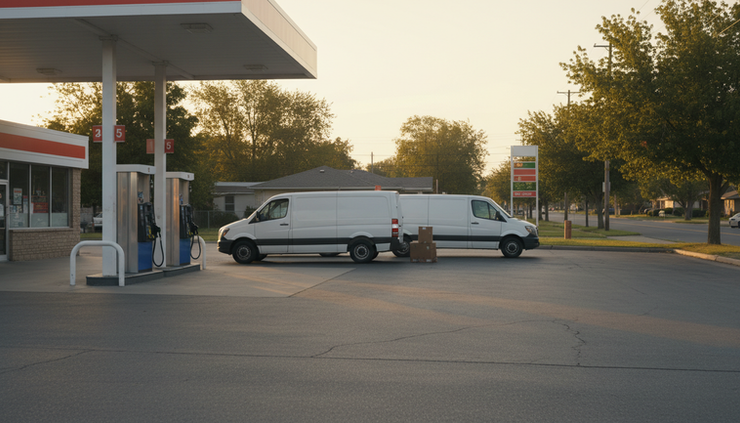
Know where your fuel money is going
A business cannot lower what it does not measure. Fuel spending often gets treated as one big monthly number, but that hides the real causes of waste.
Start with a simple baseline. Track the same core numbers for every vehicle:
Metric | Why it matters | What to watch |
Miles driven | Shows workload and route demand | Sudden increases without more jobs |
Gallons used | Shows fuel volume | Higher use on similar routes |
Cost per gallon | Shows price pressure | Stations or regions with higher prices |
Miles per gallon | Shows vehicle efficiency | A drop over time |
Idle time | Shows wasted fuel | Long engine-on stops |
Maintenance dates | Shows care habits | Missed service intervals |
This does not require a large software system on day one. A spreadsheet, fuel card report, or mileage log can work if the data is entered reliably. The key is consistency.
For example, a plumbing company with five vans might discover that one vehicle gets much worse mileage than the others, even though it runs similar routes. That could point to tire pressure, engine maintenance, driver habits, extra cargo weight, or a route issue. Without the numbers, that cost stays hidden.
Cost per mile is one of the most useful figures for a small fleet. It turns fuel use into a number that connects directly to pricing and job planning.
A simple formula is:
`Fuel cost per mile = total fuel cost ÷ total miles driven`
If a vehicle uses $600 in fuel over 2,000 miles, the fuel cost is $0.30 per mile. Once that figure is known, it becomes easier to compare vehicles, plan routes, and understand whether a service area is still profitable.
Build routes that reduce wasted miles
The cheapest mile is the one that never gets driven. Route planning is one of the fastest ways to cut fuel use, especially for service businesses, delivery companies, landscapers, mobile repair teams, and local contractors.
Many small businesses grow routes by habit. A technician goes where they have always gone. A driver makes stops in the order calls came in. A delivery route gets copied from last week even when the job list has changed. That may feel simple, but it can burn extra fuel every day.
A better approach is to group work by location whenever possible.
Practical route improvements include:
Cluster nearby jobs
Book service calls in the same part of town on the same day when schedules allow.
Avoid backtracking
Plan stops in a loop or line instead of sending a vehicle across town and back.
Set delivery windows with fuel in mind
Give customers time ranges that help group routes logically.
Plan around traffic patterns
Heavy stop-and-go traffic can burn more fuel than a slightly longer but smoother route.
Limit emergency trips
Keep common parts, tools, or supplies stocked so vehicles do not make extra runs.
Route planning does not need to be perfect to save money. Even cutting a few miles per vehicle each day can matter. A fleet of six vans that each drives five fewer miles per day saves 30 miles daily. Over a month, that can remove hundreds of miles from the fuel bill.
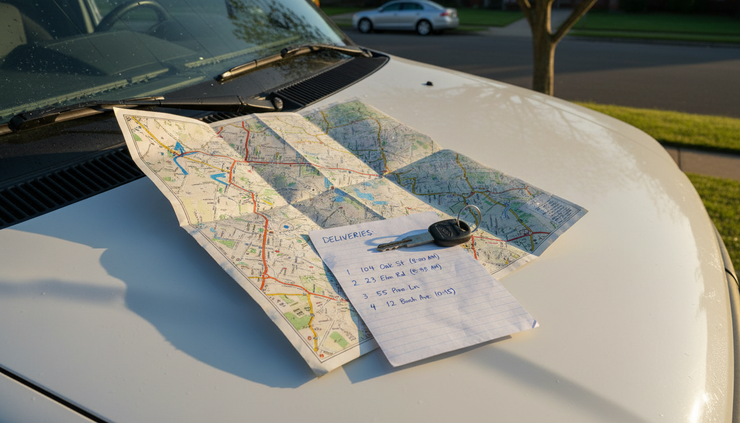
Digital route tools can help, but the habit matters more than the tool. A dispatcher, owner, or lead driver should review the next day’s stops before vehicles roll out. Ten minutes of planning can prevent hours of extra driving across a busy week.
For recurring routes, review them monthly. New customers, closed roads, traffic changes, and staff availability can shift the best order of stops. A route that worked six months ago may no longer make sense.
Train drivers to save fuel without slowing down
Driver behavior has a direct impact on fuel use. Two people can drive the same vehicle on the same route and get different results. For small businesses, this is both a challenge and an opportunity.
The goal is not to turn every driver into a hypermiling expert. The goal is to build simple habits that reduce waste and protect vehicles.
Focus on these behaviors first:
Smooth acceleration
Fast starts burn more fuel and increase wear on the vehicle.
Steady speeds
Constant speeding up and slowing down wastes energy.
Less idling
Engines use fuel even when the vehicle is not moving.
Smart braking
Looking ahead and easing off the gas earlier can reduce hard stops.
Reasonable highway speeds
Higher speeds often reduce fuel economy, especially in vans and trucks.
Idling deserves special attention. Many service vehicles idle while drivers complete paperwork, use equipment, wait for a customer, or warm up the cabin. Some idling is necessary, but much of it becomes routine.
Set a clear idling rule. For example, if a vehicle will sit for more than a short period and does not need power for equipment or safety, turn it off. Keep the rule practical so drivers can follow it in real conditions.
A written driver fuel policy can help. Keep it short and direct. Include expectations for fueling, receipts, idling, cargo weight, tire checks, and reporting vehicle problems. Make it part of onboarding for new drivers and review it during team check-ins.
The policy should not feel like punishment. Share the reason behind it. Lower fuel costs can protect margins, keep pricing stable, and reduce pressure on the business when fuel prices rise.
Keep vehicles maintained for better mileage
A neglected vehicle often uses more fuel. It may also break down at the worst time, forcing rental costs, rescheduling, or overtime. Preventive maintenance is one of the most reliable fuel-saving habits a small business can build.
The highest-impact basics are simple:
Tire pressure
Underinflated tires can reduce fuel economy and wear out faster.
Engine air filters
Dirty filters can affect performance, especially in older or heavily used vehicles.
Oil changes
Use the grade recommended by the manufacturer.
Wheel alignment
Poor alignment can create drag and uneven tire wear.
Spark plugs and ignition parts
Worn parts can cause rough running and poor efficiency.
Brake checks
Dragging brakes can waste fuel and create safety risks.
Follow each vehicle’s owner’s manual for service intervals. If vehicles carry heavy loads, idle often, tow equipment, or run in dusty conditions, they may need closer attention.
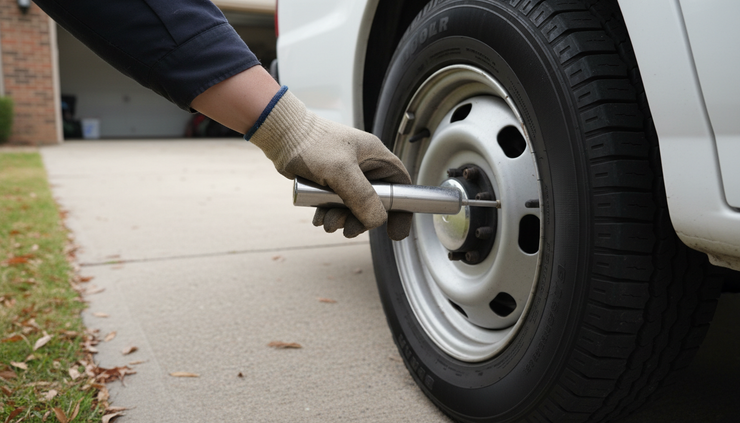
Create a maintenance calendar by vehicle, not just by date. Mileage-based service matters because vehicles are often used at different rates. One van may need service much sooner than another.
A simple maintenance log should include:
Vehicle identification or unit number
Current odometer reading
Last oil change
Last tire rotation
Tire pressure check dates
Repairs completed
Issues reported by drivers
Next service due
Drivers should report problems early. A small issue, such as a check engine light, rough idle, low tire, or strange vibration, can become a fuel and repair problem if ignored.
Cargo weight also matters. Many work vehicles become rolling storage units. Old materials, unused tools, spare parts, and personal items add weight. More weight means more fuel. Schedule a monthly cleanout so each vehicle carries what it needs, not everything it has ever collected.
Use fuel policies and buying habits to control costs
Fuel prices vary by station, payment method, region, and timing. A small business may not control the market price, but it can control how fuel is purchased and recorded.
Fuel cards can be useful because they show who bought fuel, where, when, and how much. They can also reduce receipt chasing. If a fuel card is not a fit, set clear receipt and mileage rules.
A good fuel policy should answer these questions:
Which fuel grade should drivers use?
Are drivers allowed to buy premium fuel?
Which stations are preferred?
When should receipts be submitted?
Should drivers record odometer readings?
Who reviews fuel purchases?
What happens if a fuel purchase looks unusual?
Most fleet vehicles should use the fuel grade recommended by the manufacturer. Paying for premium fuel when a vehicle does not require it usually adds cost without a clear benefit.
Watch for unusual patterns. A vehicle that takes more gallons than its tank should hold may signal a data entry error, shared fuel purchase, or misuse. A driver who fuels far from the route may be making unnecessary trips. These issues are easier to handle when the policy is written and the data is clear.
Small businesses should also review where drivers fuel up. The closest station is not always the best choice, especially if it consistently charges more. That said, sending a driver far out of the way to save a few cents per gallon can backfire. The best choice balances fuel price, route location, and time.
There are also add-on products made to support fuel system care. Results can vary by vehicle, usage, and product type, so avoid treating any product as a substitute for good maintenance or smart driving. If you are already tracking mileage and fuel use, you will be in a better position to judge whether a product makes sense for your fleet. You can browse fuel treatment products for fleet use to compare options that may fit your vehicles.
Make fuel savings part of weekly fleet management
Fuel cost control works best when it becomes routine. A one-time push may reduce costs for a month, but old habits return unless someone keeps watching the numbers.
Set a weekly review that takes 20 to 30 minutes. Look at fuel spend, miles driven, mpg changes, idle concerns, route problems, and maintenance needs. Keep the review short and tied to decisions.
A simple weekly checklist might include:
Review total fuel spend by vehicle.
Compare miles driven against scheduled work.
Flag vehicles with lower mileage than normal.
Check upcoming service needs.
Review any driver-reported issues.
Look for routes that caused extra driving.
Remove unnecessary cargo from vehicles.
Confirm receipts or fuel card records.
This weekly habit helps catch small problems before they become expensive. It also gives drivers, dispatchers, and owners a shared way to talk about fuel without blame.
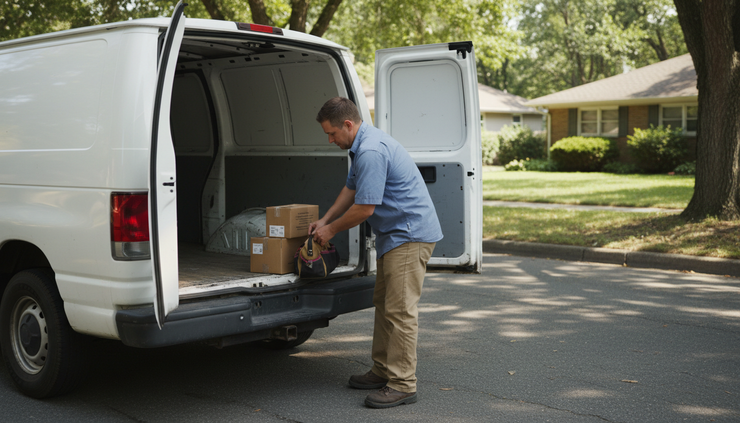
For small fleets, the owner often wears many hats. The fuel review does not need to be complex. The best system is the one that gets used every week.
Assign one person to own the process. That person does not need to do every task, but they should make sure records are complete, vehicles are serviced, and fuel problems are not ignored.
When fuel prices rise, this process becomes even more valuable. A business with clean fuel records can respond faster. It can adjust service areas, update pricing, combine routes, or change scheduling before costs get out of hand.
The real win is control
Lowering fuel overhead is not about one big fix. It comes from many small decisions made consistently. Track the numbers. Plan better routes. Teach fuel-saving driving habits. Maintain vehicles before they become problems. Set clear rules for fuel buying.
For a small business, fuel will always be a major operating cost. It does not have to be a mystery. With a few steady fleet management habits, each mile can become easier to measure, easier to manage, and less expensive to run.


Comments